
Why Humans Need Signs: The Quiet Power of Meaning, Safety and Connection
Why humans need signs is a simple question with a rather lovely answer: signs help us understand the world quickly, communicate clearly and move through life with less confusion. From road signs and written words to a raised eyebrow, a red warning label or a tiny icon on your phone, signs give shape to meaning. Without them, everyday life would be far more uncertain, and frankly, a good deal more exhausting.
We use signs constantly, often without noticing. That is rather the point. The best signs work so well that they disappear into the background of ordinary life, quietly helping us make sense of what is happening, what matters and what to do next.
Why humans need signs
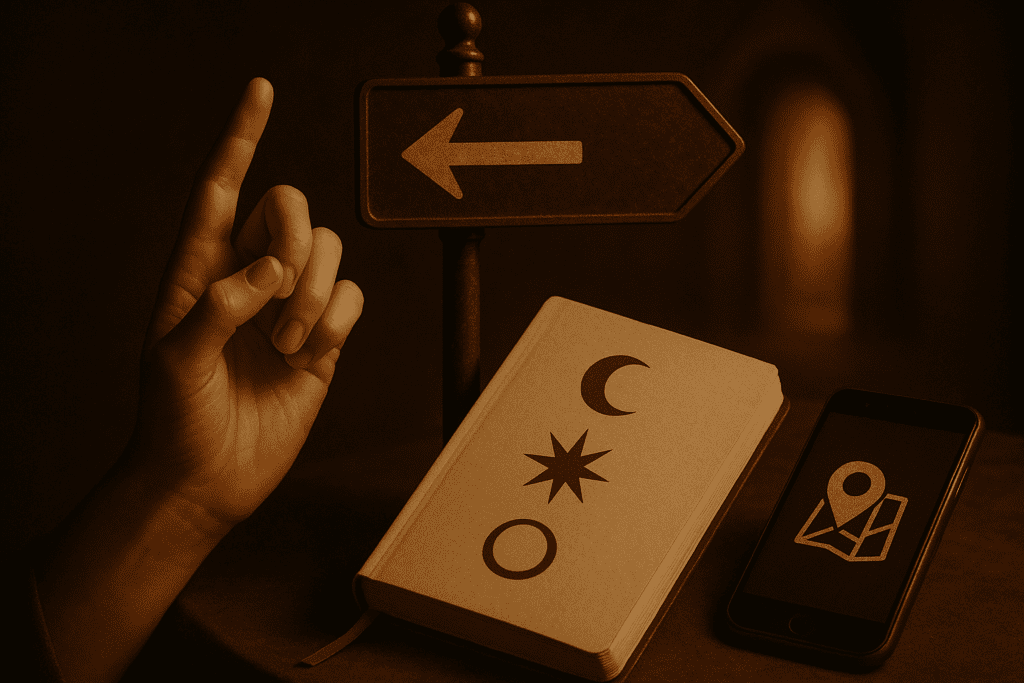
Humans need signs because they help us communicate, stay safe and share meaning. A sign can be a word, a gesture, a symbol, a facial expression or a visual cue. It tells us something without requiring a long explanation. That matters because human beings are social, curious and often in a hurry.
Signs allow us to react more quickly. They help us cooperate with others. They give us clues when we are unsure. In many ways, signs are the shorthand of human life.
What do we mean by signs?
In everyday language, a sign is anything that points to meaning. A traffic light, a smile, a prayer bead, a calendar mark, a wedding ring or a message on a screen can all function as signs. They do not merely exist; they signify.
This is where signs, symbols and signals overlap. A signal is often direct and practical, such as a siren or a flashing light. A symbol carries shared meaning, like a heart representing love. A sign can be broader, covering both practical cues and deeper meanings. In daily life, we usually use all three without stopping to label them.
Signs help humans communicate faster
Language is wonderful, but not everything needs a full sentence. A nod can mean yes. A wave can mean hello or goodbye. A pause, a tone of voice or a glance can say rather a lot. This is why nonverbal communication is so important.
Think of a busy family kitchen. Someone points at the kettle, another person fetches a mug, and the whole exchange is complete without a speech. Or think of a work meeting where a raised eyebrow says, “Perhaps not the best idea.” Human beings are remarkably skilled at reading these small cues, and often do so almost instinctively.
This speed matters. Signs reduce the effort needed to exchange information, which is especially useful when there is little time, noise, distance or emotional tension.
Signs help us stay safe
Many signs exist for protection. Road markings, fire exits, hazard labels and crossing signals all help prevent harm. They are practical, ordinary and easy to overlook until you need them.
Human beings are not born with a perfect map of the world. We learn where danger lies through signs. A warning sign on a wet floor tells us to tread carefully. A red light says stop. A medical symbol on a door may tell us help is nearby. These cues save time, reduce risk and support better decisions.
There are also softer forms of warning signs in life. A person’s sudden silence, a recurring pattern of stress or a change in body language may tell us that something needs attention. Not every sign is dramatic. Some are quiet nudges asking us to slow down and notice.
Signs help us navigate the world
Navigation is one of the clearest reasons humans need signs. We use them to find roads, stations, shops, offices and homes. A clear sign can turn confusion into confidence in a matter of seconds.
Digital life has only made this more obvious. App icons, notifications, menu symbols and map directions help us move through an increasingly busy world. The modern person may not carry a compass, but they do carry a phone full of signs.
There is a charming irony here: the more complex life becomes, the more we rely on simple symbols to keep us steady.
Signs create shared meaning and culture
Signs are not only practical. They also bind people together. Shared symbols help communities recognise identity, values and belonging. A national flag, a religious emblem, a wedding band or a family recipe can all carry meaning far beyond their physical form.
This is where signs become deeply human. We do not merely notice them; we agree on what they mean. That shared understanding is part of what makes language, culture and society possible.
Even fashion, rituals and traditions work this way. The clothes we wear, the greetings we use and the objects we keep close often signal who we are, what we value and where we belong.
Why the mind looks for signs
Human beings are pattern-seeking creatures. We naturally look for meaning, connections and repetition. Sometimes this is practical, and sometimes it is emotional. We notice a pattern because it helps us predict what may happen next.
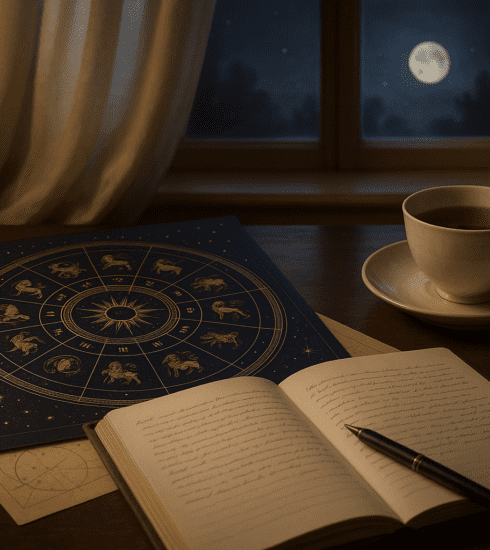
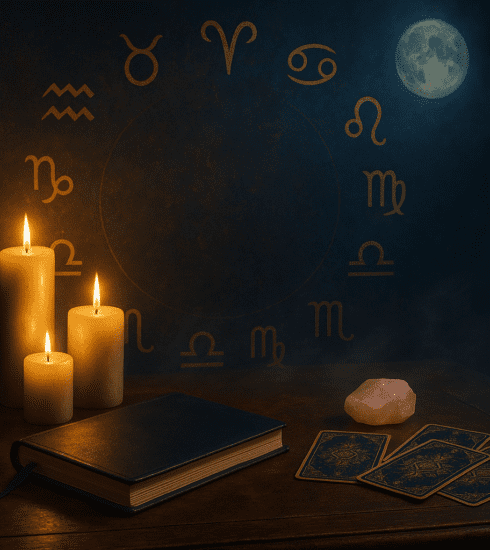
This is also why people pay attention to intuitive signs in life: repeated thoughts, meaningful coincidences, body sensations or the feeling that something matters. In spiritual work, such signs can feel especially significant. A tarot card, a recurring number, or a dream image may invite reflection rather than certainty.
Used wisely, that kind of noticing can support emotional clarity. It encourages us to pause, observe and ask better questions. It is less about dramatic prophecy and more about thoughtful awareness.
Signs in everyday life: simple examples
- Road signs guide traffic and protect people.
- Facial expressions reveal emotion before words are spoken.
- Body language shows comfort, tension, interest or distance.
- Written words turn thoughts into shared understanding.
- Icons and labels help us use technology and products quickly.
- Spiritual symbols can support reflection, ritual and personal meaning.
When you start looking, signs are everywhere. A coffee cup beside the door, a late reply, a rainbow after rain, a loved one’s tone of voice. Not every sign is mystical, of course, but many are meaningful in their own small way.
Why signs still matter in the digital age
With so much communication happening through screens, signs matter more than ever. A message emoji can soften a sentence. A notification badge can prompt action. A profile image, a logo or a verified mark can shape trust in seconds.
At the same time, digital life can make signs harder to read. Tone is easily lost in text. Ambiguity grows. That is why we still depend on clear cues, thoughtful language and a little human intuition to understand what someone truly means.
Final takeaway
Why humans need signs comes down to this: signs help us make sense of life. They support communication, reduce danger, organise society and create shared meaning. They are practical, emotional and cultural all at once.
In a noisy world, signs offer something very valuable: clarity. Sometimes that clarity comes from a road sign. Sometimes it comes from a look, a symbol or a quiet inner knowing. Either way, signs help us find our footing.
If you are interested in the spiritual side of meaning, signs can also be a gentle invitation to reflect on what life may be asking of you right now. Just keep one foot on the ground and one eye open. That tends to work rather well.
Need a more personal answer? For guidance shaped around your own question, you can speak with one of Philip Garcia’s trusted psychic readers. Click on this link or call 0203 472 4377.
Disclaimer: Psychic and astrological content is provided for entertainment and personal insight. It should not replace professional medical, legal, financial or mental health advice.
Frequently Asked Questions
What are signs in human life?
Signs are cues, symbols or signals that help people communicate, understand meaning and respond to the world. They can be words, gestures, expressions, icons or warnings.
Why do humans depend on signs?
Humans depend on signs because they make communication faster, improve safety, help us navigate and allow communities to share culture and meaning.
Are signs and symbols the same thing?
Not exactly. Symbols are signs with shared cultural meaning, while signs can include practical cues, signals, gestures and symbols more broadly.
What is an example of a sign people use every day?
A traffic light is a common example, but so is a facial expression, a text message emoji or a shop sign outside a building.
Why do people look for signs in spiritual contexts?
People often look for signs when they want clarity, reassurance or perspective. In spiritual settings, signs can prompt reflection, though they should not be treated as guarantees.
For guidance shaped around your own question, you can speak with one of Philip Garcia’s trusted psychic readers. Click on this link or call 0203 472 4377
Psychic and astrological content is provided for entertainment and personal insight. It should not replace professional medical, legal, financial or mental health advice.