



Why the Horoscope Column Needed a Rebrand: How Astrology Went From Print Fixture to Digital Culture
Horoscope columns have not disappeared; they have simply learnt new tricks. Why the Horoscope Column Needed a Rebrand is really a question about media, audience taste and the way astrology has moved from the back page of the newspaper into the centre of digital culture. What once felt like a neat little weekly fixture now has to compete with apps, TikTok clips, Instagram carousels and newsletters that feel far more personal.
The old format was never without charm, but it often relied on broad strokes and a fairly stiff tone. Modern readers, especially younger ones, want something warmer, sharper and more relevant to real life. They are not just looking for prediction; they are looking for reflection, reassurance, identity and a bit of cosmic companionship. That is the heart of the rebrand.
In short: horoscope columns needed a rebrand because the classic print-era formula started to feel generic, the audience changed, and astrology became a digital, personality-led and highly shareable form of content.
What “rebrand” means for horoscope columns
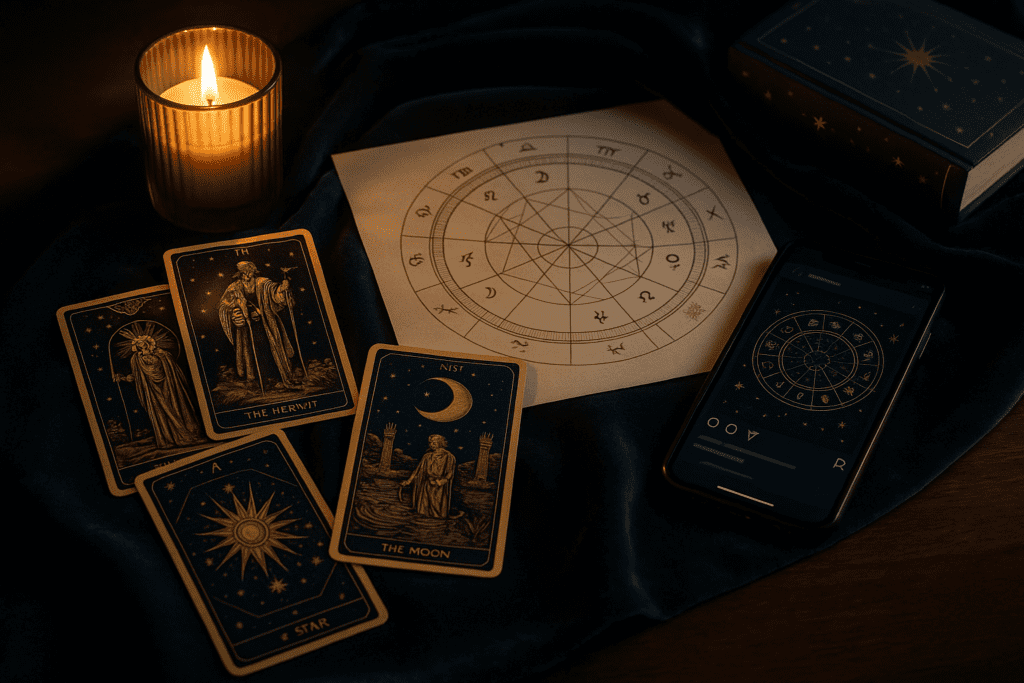
When people talk about rebranding horoscope columns, they usually mean more than a new font or a prettier layout. They mean a shift in tone, format and purpose. The old newspaper horoscope was often written as a brief prediction for each sign, delivered in a tidy, almost impersonal style. The modern version is more likely to sound conversational, emotionally aware and tailored to a specific platform.
That might mean a short daily insight in an app, a mood-based Instagram post, a weekly newsletter with practical advice, or a podcast episode exploring a sign’s emotional patterns. The content is still astrology, but the packaging has changed. It now speaks the language of digital audiences: quick, relatable and easy to share.
Why the classic horoscope format started to lose relevance
Part of the problem was simplicity. The traditional column had a very small amount of space and a very broad audience, so it had to be general. That worked well enough when readers were used to scanning a few lines over breakfast. It works less well in a world where people expect content to feel specific, timely and personally meaningful.
Another issue was tone. Some older horoscopes felt a bit distant, even faintly pompous. They could read like a puzzle written by someone who had spent too long in the office kettle queue. Modern readers tend to prefer a voice that feels human, emotionally intelligent and a touch self-aware. Astrology content has responded by becoming more conversational and less formal.
There is also the simple matter of attention. Print habits changed. People no longer wait for a single column to tell them about their week. They check their phone first thing in the morning, dip into social feeds throughout the day, and respond to content that feels immediate. Horoscope columns had to adapt to that rhythm or risk sounding like a relic.
How astrology content changed in the digital era
The digital shift changed everything about how astrology is consumed. Instead of one general column, readers now encounter astrology everywhere: in apps, memes, reels, newsletters, live readings, group chats and subscription content. The format became more varied, but also more intimate.
Digital astrology often focuses on the lived experience behind the sign. It may speak about boundaries, relationships, work stress, timing, self-worth or emotional patterns. In other words, it uses the zodiac as a framework for reflection rather than just prediction. That shift matters, because it gives readers something to recognise in themselves.
It also makes the content more flexible. A creator can write for a Virgo audience one day, then pivot to moon phases, love compatibility, retrogrades or birth chart themes the next. That agility is valuable in a crowded attention economy, where rigid formats tend to fade and adaptable ones tend to survive.
The role of Gen Z, social media and personalisation
Gen Z has played a notable role in the renewed popularity of astrology, but not because everyone suddenly began treating the stars as a strict rulebook. Rather, astrology became a language for identity, humour and emotional shorthand. A zodiac sign can be a joke, a conversation starter or a way of making sense of a personality trait without turning the whole thing into a solemn lecture.
That is why social-first astrology often feels so different from older horoscope columns. It is punchier, more visual and often more self-aware. A post about Mercury retrograde might be half practical advice, half internet wink. A compatibility guide might be equal parts useful and entertaining. The point is not to sound authoritative in a grand, old-fashioned sense. The point is to feel useful and shareable.
Personalisation also matters. Readers increasingly expect content to speak to them as individuals, not just as one twelfth of the zodiac wheel. That is one reason horoscope apps and personalised readings have grown so popular: they feel more tailored, even when they are still broad enough to reach a wide audience.
From prediction to self-reflection: how the tone shifted
One of the biggest changes is tonal. The classic horoscope leaned heavily on prediction: what will happen, what to expect, what to watch out for. The modern version often leans towards self-reflection: what this moment might mean, how to respond, where your energy is best placed.
That may sound subtle, but it is a major shift in how astrology is framed. It moves the reader from passive recipient to active participant. Instead of waiting for fate to happen to them, they are invited to notice their patterns, make a choice, or consider a new perspective.
For example, a traditional horoscope might say a relationship is likely to improve this week. A modern piece might suggest that honest communication feels easier now, so it could be a good time to clear the air gently. The second version is softer, more practical and less likely to overstate itself. It gives readers something they can actually use.
How publishers and creators are packaging astrology now
Publishers know that astrology performs best when it is shaped for the platform. A newspaper column may still exist, but it is often just one part of a wider ecosystem. Editors now think in terms of content clusters: a daily horoscope page, a monthly moon guide, a love compatibility feature, a birth chart explainer and a short-form social post all feeding one another.
Creators have taken this even further. Some build a distinct brand voice around astrology that feels editorial, cosy or cheekily wise. Others combine tarot, astrology and wellness into one coherent identity. The smartest examples do not pretend that one format suits everyone. They adapt to the needs of the reader, which is often the difference between content that is skimmed and content that is returned to.
This is also where commercial strategy comes in. Astrology content can support subscriptions, live sessions, memberships, books, podcasts and one-to-one readings. That does not make it less meaningful. It simply means the format has learned how to survive in a modern media environment.
Why the rebrand matters for trust
A rebrand is not only about style. It is also about credibility. Readers are more likely to trust astrology content when it sounds grounded, thoughtful and transparent about what it is and is not. Nobody serious wants overblown claims or melodramatic certainty. A good horoscope should feel insightful, not absurdly absolute.
That is why the best modern horoscope content often avoids grand promises and instead offers emotional clarity, symbolic language and practical reflection. It acknowledges that astrology is a guide, not a replacement for common sense. That tone helps readers feel respected.
Trust also grows when the content feels culturally aware. People can tell when writing has been churned out with no sense of audience or context. A warmer, more intelligent voice simply works better. It feels like someone has paid attention, which, in astrology as in life, is rather the point.
What the future of horoscope content may look like
Horoscope columns are unlikely to vanish, but they will probably keep evolving. The future looks less like a single fixed column and more like a flexible astrology brand: part editorial, part social, part community, part personal guidance. Short-form video, voice notes, audio horoscopes and tailored digital experiences will likely continue to grow.
We may also see more separation between entertainment astrology and reflective astrology. Some readers will want a playful daily sign update. Others will want something more spiritually grounded, such as birth chart interpretation or tarot-based guidance. The smartest publishers and creators will not try to force these audiences into one box.
So the real answer to Why the Horoscope Column Needed a Rebrand is not that astrology became fashionable overnight. It is that the culture around it changed. Readers changed. Platforms changed. Expectations changed. The column had to move with them.
If you think about it, that is rather fitting. Astrology has always been about timing, and the timing, in this case, was unmistakable.
Frequently asked questions
Why did horoscope columns start to feel outdated?
They often felt too generic, too brief and too tied to print-era habits. Modern readers expect more personality, relevance and emotional nuance.
What does a rebrand mean in astrology content?
It usually means a new tone, format and platform strategy. Horoscope content may become more visual, more personal and more suited to digital audiences.
Why is astrology so popular with younger audiences?
Many younger readers use astrology as a language for identity, humour, self-reflection and social connection, rather than as a strict system of prediction.
Are horoscope columns still relevant?
Yes, but they need to be shaped for how people read now. The strongest versions feel human, useful and easy to share.
A gentle next step
If you enjoy astrology as a way of finding clarity, you may also appreciate a more personal reading. Need a more personal answer? For guidance shaped around your own question, you can speak with one of Philip Garcia’s trusted psychic readers. Click on this link or call 0203 472 4377.
Psychic and astrological content is provided for entertainment and personal insight. It should not replace professional medical, legal, financial or mental health advice.
For guidance shaped around your own question, you can speak with one of Philip Garcia’s trusted psychic readers. Click on this link or call 0203 472 4377
Psychic and astrological content is provided for entertainment and personal insight. It should not replace professional medical, legal, financial or mental health advice.


