

From Prediction to Preparation: The Future of Horoscopes
Horoscopes have long been treated as a daily nudge, a small ritual with your morning tea, or the sort of thing you half-believe until it says something uncannily apt. But their future may look rather different. From Prediction to Preparation: The Future of Horoscopes is moving towards something more personal, more interactive and, if handled well, more useful.
Instead of broad statements for every Leo or Pisces under the sun, the next wave of astrology is leaning towards context: your birth chart, your life stage, your questions and even the way you use digital tools. In plain English, horoscopes are shifting from “this may happen” to “here is how you might prepare”. That change matters.
AI overview: The future of horoscopes is likely to be more personalised, data-informed and practical, with astrology apps and AI tools helping readers receive guidance that feels more relevant. Traditional horoscopes are not disappearing, but they are being joined by smarter, more contextual experiences that focus on preparation, reflection and timing rather than fixed prediction.
What “From Prediction to Preparation” Means
For decades, horoscopes have mainly offered forecast-style guidance. You would read your sun sign, glance at the day ahead, and see whether love, work or money looked promising. Useful? Sometimes. Specific? Not especially.
The future of horoscopes is less about dramatic certainty and more about gentle preparation. That might mean a horoscope that suggests a better time for a conversation, highlights a likely emotional theme, or encourages you to pause before making a decision. It is still astrology, but with a more practical coat on.
This shift reflects how many people now want spiritual guidance: not grand declarations, but context they can actually use. A good horoscope should help you notice patterns, not boss you about.
How Horoscopes Have Traditionally Worked
Traditional horoscopes are usually based on your sun sign, which is why they are quick to read and easy to share. They work well as broad symbolic guidance, especially for readers who want a simple starting point.
The limitation is obvious: millions of people share the same sun sign, so the advice can only ever be so tailored. A Taurus student, a Taurus parent and a Taurus business owner are not living identical lives, even if they are all having a very Taurus kind of week.
That is why more readers are now turning to birth charts, rising signs, moon signs and personalised readings. They want astrology that reflects their actual circumstances, not just the headline version.
Why Personalized Astrology Is Growing
Personalised astrology is growing because people are used to custom experiences elsewhere in life. Streaming services recommend films. Shopping apps remember preferences. Wellness platforms build routines around your habits. It is hardly surprising that readers now expect horoscopes to feel more relevant too.
There is also a deeper reason. Many people are not looking for prediction in the old sense. They want reassurance, timing and perspective. A personalised chart can offer that by showing recurring emotional patterns, relationship themes and periods of growth or pressure.
For example, someone facing a difficult career choice may not need a dramatic “yes” or “no” from the stars. They may need a sense of timing, a reminder of their strengths and a clearer view of where they are likely to feel stuck. That is where personalised astrology can be especially helpful.
The Role of AI and Apps in Future Horoscopes
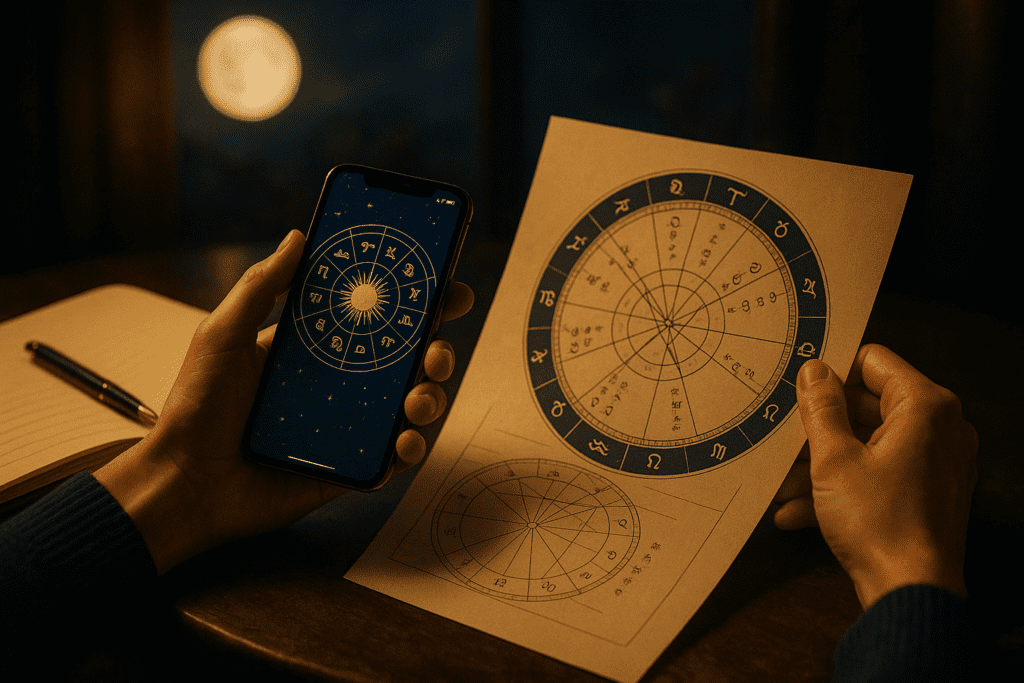
Astrology apps and AI-powered tools are changing how horoscopes are delivered. Instead of waiting for a weekly newspaper column, readers can now receive instant interpretations, chart breakdowns and reminder-style prompts on their phones.
In the future, AI astrology may become even more interactive. Imagine a horoscope that adjusts to your rising sign, recent transits and key questions you ask over time. Or a tool that helps you notice patterns in your mood, relationships or decision-making alongside astrological timing.
That said, technology can only do so much. An app may be very clever, but it cannot replace human judgement, intuition or emotional care. Astrology is not just data. It is also meaning, language and timing. That human layer matters enormously.
Used well, digital astrology should be a bridge, not a substitute. The best tools will support reflection rather than pretending to deliver absolute truth. Anything more certain than that is probably trying a bit too hard.
From Daily Forecasts to Actionable Guidance
The next generation of horoscopes is likely to feel more useful because it will focus on action. Not action in the dramatic, life-overhaul sense, but in small, grounded ways.
A future horoscope might say:
- Today is a good day to have the conversation you have been avoiding.
- Before agreeing to anything, check whether it suits your long-term priorities.
- You may feel more sensitive than usual, so keep your boundaries soft but clear.
- Use this week to organise rather than launch.
That kind of guidance is more practical than vague prediction. It helps readers think about timing, habits and emotional readiness. In other words, it supports preparation.
This is where astrology and wellness increasingly overlap. Readers do not always want the stars to tell them what will happen. Sometimes they simply want help noticing what they need.
What Readers May Expect Next: Interactivity, Context and Customisation
Looking ahead, horoscopes may become more interactive and layered. Rather than a one-size-fits-all paragraph, you may see experiences shaped around question-led prompts, dynamic chart updates and more detailed context.
For example:
- A daily reading that shifts according to your moon sign and rising sign
- Chat-based horoscope tools that respond to your current concerns
- Integration with wellness tracking, journalling or meditation habits
- More emphasis on relationship timing, work cycles and emotional patterns
This does not mean the old-style horoscope disappears. Many readers still enjoy the comfort of a simple sun-sign forecast. But the future may offer more choice, from quick general readings to richer, more personal guidance.
Risks and Limits of Over-Predictive Astrology
There is a sensible caution here. As horoscopes become more personalised and more tech-driven, they can also become too confident for their own good.
Over-predictive astrology can make people feel boxed in, over-influenced or anxious about decisions they should be making with their own judgement. A horoscope should never become a command. It should remain a guide.
There are also real ethical concerns around privacy and manipulation. If an app collects personal data to create more tailored readings, readers should know how that information is used. Trust is everything. Without it, the mystique turns a bit sour.
The healthiest future for horoscopes is one where they remain thoughtful, transparent and emotionally intelligent. A good reading can open reflection. It should not shut down common sense.
What This Shift Means for Casual Readers and Astrology Fans
If you enjoy reading horoscopes casually, nothing needs to change. The most accessible style of astrology will always have its place. But if you want something more nuanced, the future is encouraging.
You may find yourself using horoscopes to:
- choose a better moment for a conversation
- understand a repeating emotional pattern
- reflect on your relationship needs
- prepare for periods of pressure or change
- support journalling, meditation or self-inquiry
For astrology fans, this evolution is especially exciting because it brings the practice closer to real life. It becomes less about passive reading and more about active understanding.
If you are curious about your own chart, it can be helpful to explore your sun sign, moon sign and rising sign together, then compare that with a more personalised reading. The contrast is often illuminating.
Where to Start if You Want More Personal Guidance
If the future of horoscopes appeals to you, begin with the basics. Learn what your birth chart says about your temperament, emotions and timing. Then look at the kinds of forecasts that feel genuinely useful to you.
Some readers prefer a simple daily horoscope. Others want love compatibility, transit updates or a deeper natal chart reading. There is no single right answer. The best astrology is the kind that helps you feel clearer, steadier and more able to act with intention.
Need a more personal answer? For guidance shaped around your own question, you can speak with one of Philip Garcia’s trusted psychic readers. Click on this link or call 0203 472 4377
For readers who want to explore further, this is a natural moment to learn the basics of horoscope types and birth chart reading. A little context can go a long way.
Conclusion
The future of horoscopes is not about replacing intuition with technology. It is about making astrology more relevant, more responsive and more helpful in everyday life. Broad predictions will still have their place, but the real shift is towards preparation: guidance that helps you understand timing, personality and possibility with more clarity.
In that sense, the future looks less like fortune-telling and more like wise, symbolic companionship. Which, frankly, is a rather lovely direction for astrology to take.
Disclaimer: Psychic and astrological content is provided for entertainment and personal insight. It should not replace professional medical, legal, financial or mental health advice.
FAQ
Will horoscopes become more personalised in the future?
Yes, that is very likely. Many astrology readers already expect more personalised content based on birth charts, moon signs and rising signs, rather than only sun-sign horoscopes.
How is AI changing horoscopes?
AI is making horoscope delivery faster, more interactive and potentially more tailored. It may help organise chart data and present insights in a more accessible way, though it cannot replace human interpretation.
Are modern horoscopes based on data?
Some astrology apps use data in the sense of birth details, chart calculations and user preferences. However, astrology itself is interpretive rather than scientific in the conventional sense.
Can horoscopes help with planning?
They can be used as a reflective tool for timing, self-awareness and decision-making. They should not replace professional advice or your own judgement.
What is the difference between a daily horoscope and a personalised chart?
A daily horoscope is usually broad and based on your sun sign. A personalised chart looks at your full birth details and can offer far more specific themes and timing.
For guidance shaped around your own question, you can speak with one of Philip Garcia’s trusted psychic readers. Click on this link or call 0203 472 4377
Psychic and astrological content is provided for entertainment and personal insight. It should not replace professional medical, legal, financial or mental health advice.